

The Tillamook Coast is one of Oregon’s most treasured coastal destinations—home to pristine beaches, lush forests, charming communities, and abundant wildlife. With increasing visitation, it’s more important than ever to preserve the natural beauty and ecological health of this extraordinary place.
That’s why the Tillamook Coast Visitors Association has partnered with the national Leave No Trace Center for Outdoor Ethics to launch the Tillamook Coast Leave No Trace Seven Principles. These locally adapted guidelines help visitors enjoy their adventures while minimizing impact on the land, water, and people who call this coast home.
Whether you’re hiking to a hidden waterfall, relaxing on the sand, or browsing small-town shops, these simple steps make a big difference. Read on to learn how you can travel responsibly and help protect the places you love.

1. Know Before You Go
 Make the most of your visit and help protect the natural beauty of the Tillamook Coast by planning ahead:
- Have a parking plan: There is limited parking at beaches and trailheads, with most filling up by 10 a.m. Protect sensitive coastal vegetation by parking only in designated spots, and consider carpooling when possible. Or avoid the stress and use public transportation – many popular locations are accessible by public bus.
- Prepare for crowds: Holidays and weekends can be busy. Have a backup plan for alternative beaches or trailheads in case your first choice has a full parking lot.
- Bring the essentials: Pack sturdy shoes, foul-weather gear, sunscreen, food, water, and trash bags for waste and recycling.
- Practice beach and dune safety: Sneaker waves, riptides, slippery rocks, and wave-driven driftwood can be dangerous. Always stay alert and keep a safe distance from the water. Read more about ocean safety.
- Keep it “paws-itive”: The Tillamook Coast is very pet-friendly, but to protect your pup and other visitors, it’s important to keep them on a leash and under control. Remember, not all people (or pets) love your furry friends.
Why it Matters
Being prepared means less stress and a better experience for you—and it makes caring for the Tillamook Coast easier!
2. Stick to Trails and Camp Overnight Right
Protect sensitive ecosystems and stay safe by following these tips:
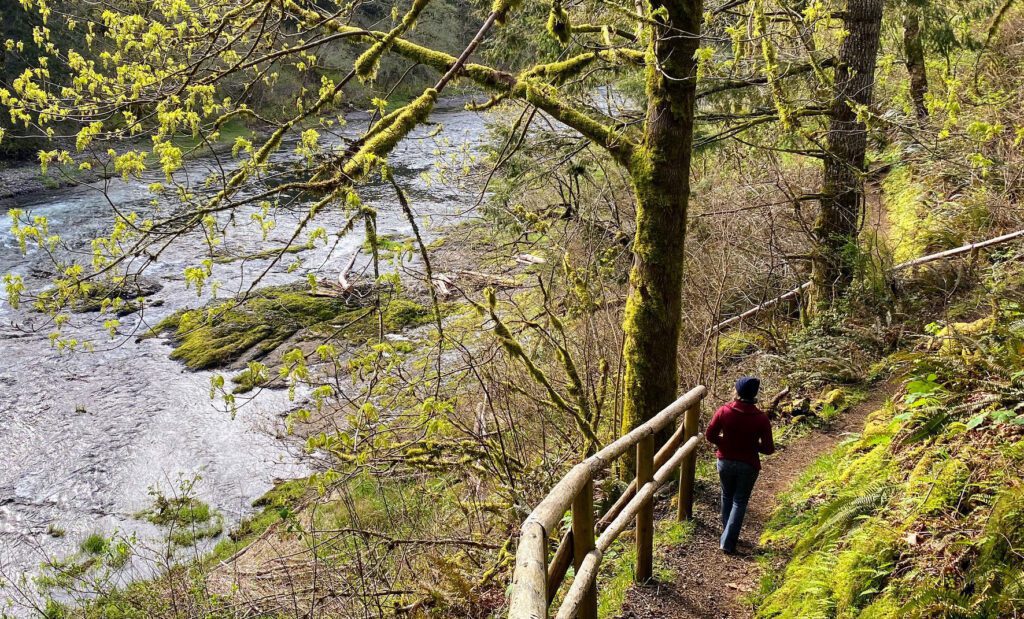
- Stick to official trails and walkways: Going off-trail damages fragile coastal plants, causes erosion, and can be unsafe. The steep dunes and forested terrain can be treacherous. It’s best (and safest) to walk through wet or muddy spots to avoid trampling vegetation and widening the trail.
- Camp smart: Use designated campsites, avoid setting up tents on vegetation, and keep your site tidy. Wind and storms can scatter trash and belongings, and unattended food or trash attracts wildlife. Properly dispose of dishwater.
- Know the rules for beach driving: Where driving on beaches is allowed, stay on hard-packed sand to avoid damaging dunes, vegetation, or getting stuck.
Why it Matters
With many miles of trails and plenty of designated campsites, there’s no need to create new paths or sites. Enjoy responsibly!
3. Trash Your Trash and Pick Up Dog Poop
Trash doesn’t just ruin views—it can harm wildlife and ecosystems.
- Keep trash contained: Windblown litter is a major hazard for shorebirds, fish, and marine mammals. Avoid overflowing bins, and bring your trash home when possible.
- Food is trash, too: Even small food scraps harm wildlife by making animals dependent on humans.
- Pick up after pets: Dog poop contains harmful bacteria, parasites, and pharmaceuticals that don’t belong in coastal ecosystems. Bag it, pack it out, and always use proper disposal bins.
- No “dog poop fairy” here: Never leave pet waste bags on the trail or beach—even if you plan to come back for them.

Why it Matters
Small coastal communities don’t have the same infrastructure as larger metro areas to handle trash and pet waste. Help keep the Tillamook Coast clean and healthy.
4. Leave It As You Find It
Protect the Tillamook Coast’s beauty and biodiversity:

- Prevent the spread of invasive species: Seeds and spores can travel in your shoes, bike tires, and watercraft. Clean your gear before and after trips to stop the spread of plants like Scotch broom. Learn more about how you can stop the spread of invasive species at Play, Clean, Go!
- Be mindful in tidepools: Tidepools are delicate ecosystems that are easily trampled. Look, but don’t touch—some creatures sting or have sharp spines, and wet rocks can be slippery.
- Leave natural objects behind: Shells, driftwood, and rocks play a vital role in the coastal ecosystem. They provide important habitat and nutrients for plants and animals.
- Respect the Tillamook coast’s history: Protect the story of the land by leaving artifacts, cultural and historical sites as you find them.
Why it Matters
Leave habitats intact for wildlife and future visitors to enjoy—capture memories with photos, not nature-souvenirs.
5. Be Careful with Fire
Wildfires can devastate coastal forests and communities, and as many as 90% are caused by humans. Be fire-smart:
- Know the rules: Not all beaches allow fires, and seasonal burn bans may be in place. Check local regulations before starting a fire.
- Keep fires small and controlled: Fires should be small enough to fully extinguish with water you bring. Fires must be cold to the touch before you leave. DO NOT use sand or dirt to smother fires, as it often acts as a blanket, keeping coals hot until a breeze blows the sand away, renewing the wildfire threat. Unsuspecting beachgoers and dogs have suffered burns after stepping on sand-covered beach fires.
- Choose firewood wisely: Gather wood that is dead, down, dinky (smaller than your wrist), and distant to avoid over-collection. Never burn driftwood—it’s vital to the coastal ecosystem.
- Stay safe on beaches: Keep fires at least 50 feet (20 steps) from flammable vegetation like dune grasses or driftwood piles.

Why it Matters
A cozy fire can be part of the coastal experience—just be sure it doesn’t run wild.
6. Keep Wildlife Wild
The Tillamook Coast is home to an incredible variety of wildlife, from whales and seals to shorebirds and elk:

- Never feed wildlife: Human food harms animals, spreads disease, and changes their natural behaviors.
- Keep pets on a leash: Loose dogs can scare animals, disrupt nesting shorebirds, and damage habitats.
- Give wildlife space: Respect seals, sea lions, shorebirds, elk and other wildlife by keeping a safe distance. Animals stressed by humans may abandon their young or become aggressive. Notify local authorities if you see an injured animal.
- Practice responsible viewing: Use binoculars or a camera zoom for up-close experiences without disturbing animals. It can be exciting to spot wildlife from your vehicle, but it’s common courtesy to find a safe spot to pull off the road before stopping to look or take pictures.
Why it Matters
Wildlife is one of the highlights of the Tillamook Coast. Keep your visit safe for you and the animals.
7. Be Kind to Locals and Other Visitors
The Tillamook Coast’s charm comes from its welcoming communities and peaceful outdoor spaces:
- Share trails, beaches, and roads: Stay patient on busy days, keep music at a low volume, and give others space to enjoy the coast. Enjoy the many pullouts and overlooks along the coast and soak up the slower pace of life.
- Respect private property: Don’t park in driveways, yards, or no-parking zones.
- Support local businesses: Visit the area’s unique shops, restaurants, and markets. Enjoy local food, drink, and handmade goods that make Tillamook special.
- Learn the history: Discover the cultural significance of the Tillamook Coast, including its Indigenous history and heritage.
- Get involved and give back during your stay: With so many great opportunities to connect and contribute, what better way to enjoy the magic of the Tillamook Coast than to pitch in?
Why it Matters
Thoughtful, kind visitors make the Tillamook Coast a great place to live and explore—today and for generations to come.